Reimbursement for Lost, Damaged, or Delayed Luggage: How to Get It

What should you do if your luggage is lost, delayed, or damaged? In this article, we'll look at how to handle these unpleasant situations.

One of every traveler’s worst nightmares is finding their luggage damaged—or, worse yet, not seeing it arrive at all because the airline has lost it. These incidents are becoming less common, thanks in part to airport security checks and luggage tracking technologies, but it can still happen—especially to frequent travelers—to find themselves in these unpleasant situations.

Fortunately, international regulations—and European regulations in particular—thoroughly govern passengers’ rights in the event of lost, delayed, or damaged luggage; therefore, it is important to be thoroughly familiar with the procedures and rules in order to handle inconvenient situations involving your luggage without stress. The two key reference documents in this area are Regulation (EC) No. 889/02 and the Montreal Convention, which we will summarize here for simplicity.

In any case, if you need to transport valuables such as cash, jewelry, checks, or other precious items, we recommend keeping them with you in your carry-on luggage. Remember that the passenger is always responsible for their carry-on luggage.


In the event of lost or delayed baggage, you are entitled to purchase a selection of essential items and clothing (toothbrush, toothpaste, underwear, etc.) that are necessary to continue your trip, at least until your baggage is returned. Always remember to keep the receipts for your purchases so you can prove the amount of your expenses, and report the delay to the airline immediatelybefore leaving the airport—either online or at the baggage counter. Do not leave until you have received confirmation that your report has been logged and have obtained the PIR number (Property Irregularity Report, i.e., a receipt from the airport’s lost and found office), so you can track the status of your case. The PIR number will also be essential if your luggage is not found, to obtain a full refund.

Refund amounts and procedures vary by airline. For more information, we encourage you to review the policies before your trip. In general, some airlines reimburse a fixed amount for each day of delay, in addition to expenses incurred to repurchase essential items; others reimburse only 50% of the cost of the purchased items.

If your luggage is not returned within 21 days of your arrival, or if the airline acknowledges the loss of your luggage sooner, it is officially considered lost: you will then be asked to provide a detailed list of the contents and value of each individual item. Each airline may have a different procedure for filing a claim: some offer an online service, providing a dedicated page for submitting the claim. In any case, we also recommend that you submit your claim via certified email (PEC) or registered mail with return receipt (A.R.) to maintain a record of your request. In your claim, provide all relevant information about the lost luggage, its contents, the flight number, and a copy of the PIR issued at the airport baggage counter.

Your right to compensation is granted under the Montreal Convention, and the maximum compensation amount is calculated based on the Special Drawing Right (SDR)—a unit of account created by the International Monetary Fund (IMF). Currently, the maximum amount is 1,288 SDRs, which is equivalent to approximately 1,500 EUR. This amount may vary due to exchange rate fluctuations. In the event of lost luggage, the airline is liable even in cases of conduct free from fault.

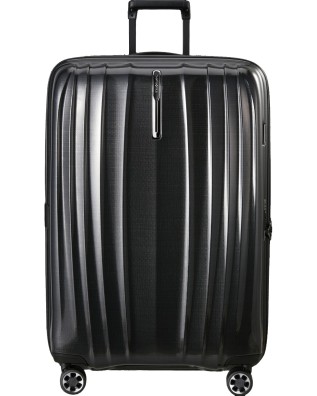
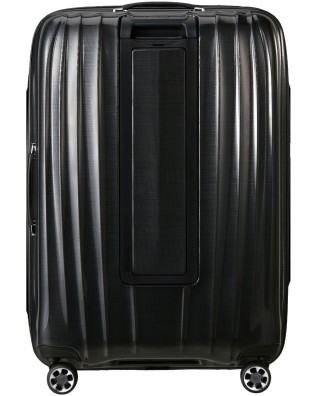
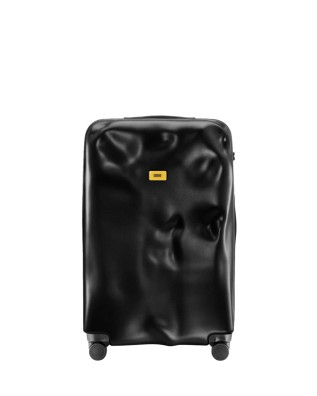
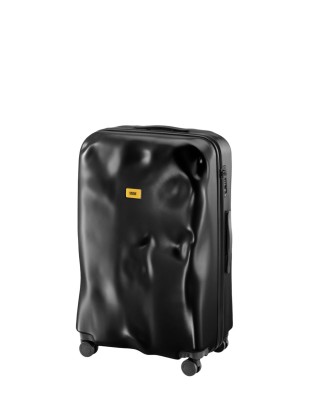
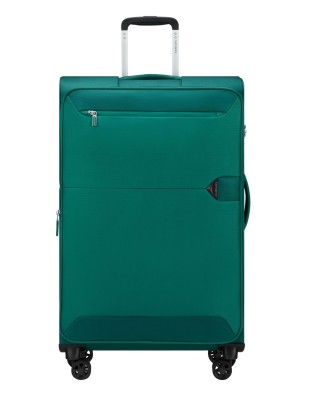
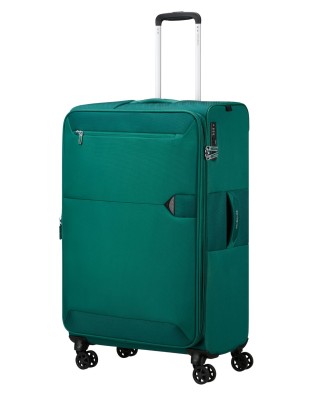
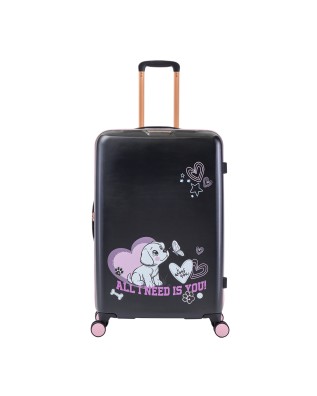
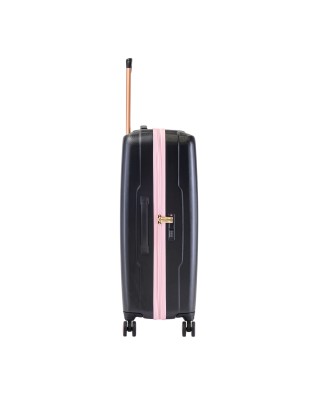
Luggage damage occurs when the suitcase you checked in before boarding is returned on the baggage carousel with broken or missing parts. This is due to the significant stress the luggage undergoes during the trip or to the negligence of those handling it; it is therefore important to choose a high-quality suitcase made of materials capable of withstanding both impacts and the significant temperature fluctuations that occur inside the aircraft cabin during the flight.

If your luggage arrives damaged, you have the right to request and receive from the airline a refund for damaged luggage, its replacement with a similar model, or its repair. To do so, you must go immediately (before leaving the airport) to the Lost and Found counter. There, you’ll need to request the so-called Damage Report, which summarizes and certifies the damage sustained by your luggage. With this document, you can file a formal claim with the airline within 7 days. The airline will ask you to visit an authorized luggage retailer or repair center to have the damage assessed or, if necessary, to obtain a declaration of irreparability; this declaration will also include an estimate of the value of the damaged luggage, which you can use to request a refund or replacement with a new piece of luggage with similar characteristics. Alternatively, where possible, the designated center will proceed directly with the repair.

If you want to travel safely and be protected from any kind of problem, you can always take out supplemental luggage insurance. In this case, it’s important to review the terms and conditions of the insurance policy you’ve purchased to verify which situations are covered and which are not, as well as to check for any deductibles that the insured person is responsible for.

Many credit card providers, particularly American Express, offer their customers travel insurance that’s already included in the monthly card fee: this often includes coverage for lost or damaged luggage; so be sure to check the terms and conditions of your credit card to avoid purchasing insurance that you may already have without realizing it.

In conclusion, dealing with the inconvenience of lost, damaged, or delayed luggage can be less stressful if you know your rights and follow the correct procedures for a refund. Remember to act promptly, keep all documentation, and stay informed about the policies of the airline or your travel insurance provider. Patience and persistence are key in these situations.

With the right approach and by following the advice provided in this article, you’ll be able to handle the situation effectively and get what you’re legally entitled to. Don’t let a minor setback ruin your memories of your trip. Tackle the problem with determination and always keep in mind that you’re most likely entitled to compensation.

Latest Blog Posts:

Men's Accessories SS 2026: Belly Bags, Backpacks, and Shoulder Bags

Fanny pack, single-strap backpack, laptop backpack, or crossbody bag? A Guide to Men’s Accessories for Spring–Summer 2026: How to Choose the Right One for Your Style and Needs

Read more
The Studioarch.com blog

Beach bag or city bag? A Guide to Vacation Bags

Beach or city of art? Find out how to choose between a beach bag and a city bag and pack your vacation bag with a clutch and organizer: practical tips and styles

Read more
The Studioarch.com blog

New EU Rules on Carry-On Luggage: What's Really Changing

EU Reform Approved in July 2026: Guaranteed Personal Baggage Allowance, Transparent Rates, Protections for Families. What’s Really Changing and When: The Complete Guide

Read more
The Studioarch.com blog

Lightweight Bags 2026: The Return of Chic Nylon—Combining Style, Practicality, and Contemporary Design

Lightweight bags dominate the Spring-Summer 2026 season: technical nylon and rubberized fabrics from Gherardini, Bric's X-Travel, and Ynot Cloud reinterpret luxury in a practical, soft, and contemporary way.

Read more
The Studioarch.com blog
Product added to wishlist