Free carry-on luggage? Yes, but not for everything—and not right away. The EU reform of air passenger rights has been approved: here’s what’s really changing for travelers and how to avoid surprises at the gate.
In recent months, the issue of carry-on luggage has been at the center of the European debate. The approval of the reform on air passenger rights has sparked a debate involving institutions, airlines, and consumer associations, and has also caused some confusion among travelers. Newspapers, news websites, and social media have circulated headlines about “free carry-on luggage,” “an end to surcharges,” and “new rules for flyers,” fueling a debate that has inevitably created expectations that aren’t always well-founded.
The reality, as is often the case when it comes to European legislation, is more nuanced. The reform—finally approved in July 2026—does not completely overhaul the baggage rules, but introduces a series of measures designed to make air travel more transparent, ensure greater protections for passengers, and limit the unclear situations that have characterized low-cost flights in particular in recent years.
For frequent travelers, understanding these changes is important not only to avoid unexpected costs at check-in but also to choose the luggage that best suits their needs. From permitted dimensions to the fees charged by airlines, all the way to your rights in the event of lost or damaged luggage, here’s everything you need to know about the new European rules.

Why the European Union Decided to Take Action
Air travel has changed dramatically in recent years. The rise of low-cost airlines has made flights increasingly affordable, but it has also led to a wide variety of fare structures. While it is possible to purchase tickets at extremely competitive prices, the services included vary significantly from one airline to another.
One of the aspects that has caused the most confusion is baggage. Some airlines allow you to bring only a small bag or backpack for free, while a carry-on trolley is considered an additional service. Others have different weight and size limits, making it difficult to know what kind of luggage to bring and increasing the risk of having to pay extra fees directly at the airport.
This fragmentation has led to numerous complaints from consumers and has prompted European institutions to work on revising the regulations, with the goal of making travel conditions easier to understand and more uniform for all passengers.
Personal Luggage and Trolleys: Let's Set the Record Straight
The aspect that has attracted the most attention concerns carry-on luggage. Will carry-on luggage really be free? That is the question that has sparked debate and given rise to the greatest number of interpretations. And this is precisely where clarification is needed.
The regulations distinguish between two categories of baggage: personal baggage—that is, a purse, a compact backpack, or a laptop case that fits under the seat—and a carry-on trolley, which is intended for the overhead compartment.
Personal carry-on remains guaranteed and included in the fare at no additional cost, provided it complies with the specified dimensions (the European standard is approximately 40×30×15 cm). The situation is different for carry-on suitcases: the reform does not introduce an indiscriminate free allowance for every piece of carry-on luggage, but requires airlines to present fares that include carry-on luggage from the very start of the booking process, with the option to offer discounts to those who voluntarily choose to travel without it.
The real change concerns transparency: passengers must be able to know at the time of booking which bags are included in the ticket price, what the allowed dimensions are, and what additional costs might apply. This will make it easier to compare offers from different airlines and avoid unpleasant surprises at the gate.
More transparency in pricing and fewer hidden costs
One of the main goals of the reform is to improve the transparency of the information provided to travelers.
In recent years, many passengers have encountered a fairly common situation: a ticket purchased at a seemingly very affordable price that, once baggage, seat selection, or other essential services were added, ended up costing significantly more.
The new rules aim to make the purchasing process clearer: airlines will be required to immediately indicate what is included in the fare and any applicable surcharges. This will allow passengers to truly compare the total cost of flights without having to calculate all the additional fees on their own.
Other measures already in place follow the same line: free corrections to passenger name errors, digital boarding passes without mandatory apps, and simpler refund procedures, with defined response times for airlines.
What's Changing for Checked Baggage
The changes aren’t limited to carry-on luggage. The reform also pays special attention to checked baggage—that is, luggage handed over at check-in and transported in the aircraft’s cargo hold.
Anyone who has ever experienced a delayed or, worse, lost suitcase knows how much these situations can turn a vacation or business trip into a source of stress.
The goal is to simplify procedures in the event of lost, delayed, or damaged luggage: airlines will be required to provide clearer information on how to receive assistance and on the procedures for filing a claim for compensation.
The protections provided by the Montreal Convention, which establishes the criteria for airlines’ liability regarding checked baggage, also remain in effect. The European regulation does not alter these principles but aims to make it easier for passengers to understand their rights and obtain the necessary information.
For this reason, it is always advisable to keep all travel documentation, check the condition of your baggage upon pickup, and immediately report any issues to the designated offices at the airport.
Greater Protection for Passengers
The revision of the regulations does not apply only to baggage. The new package of measures introduces a series of additional safeguards to improve the travel experience and strengthen consumer protection.
Special attention is given to families: anyone traveling with a child under 14 will be entitled to an adjacent seat at no additional cost. This is a long-awaited measure, especially for those who travel with young children and have, in the past, had to pay a surcharge simply to sit next to their children.
People with disabilities or reduced mobility will also benefit from strengthened protections: their companions will be able to sit next to them at no extra charge, with clearer assistance procedures and greater attention to the quality of the service provided.
The overall goal is to build a more transparent system in which travelers can clearly understand their rights and the terms of the service they have purchased.
When will the new rules take effect?
After more than a decade of deadlock, the legislative process has come to an end: on July 7, 2026, the European Parliament gave its final approval to the reform (with 646 votes in favor), and on July 13, 2026, the Council of the European Union gave its final green light.
But be aware: the new rules are not yet in effect. The regulation takes effect after publication in the Official Journal of the EU, and member states and airlines are given about a year to comply; in practice, the concrete effects will be seen starting in 2027. Until then, the policies of individual airlines will continue to apply, and they may set specific limits on the size, weight, and number of bags included in their various fare classes.
For this reason, it’s always advisable to carefully review the terms and conditions of the airline you’re traveling with before departure: it only takes a few minutes to check the allowed dimensions and avoid surcharges, which are often higher if paid directly at the airport.
How to Choose the Right Luggage for a Stress-Free Trip
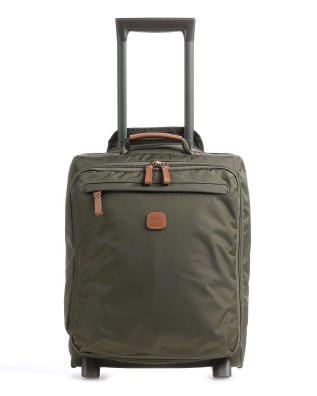
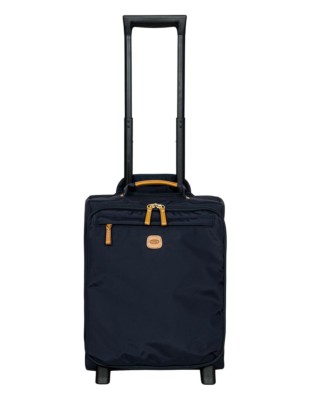
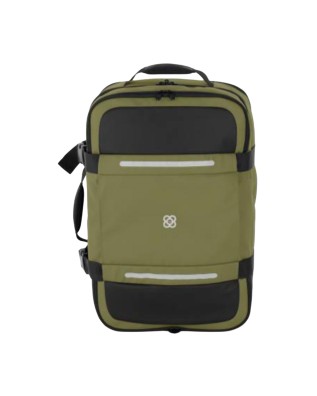
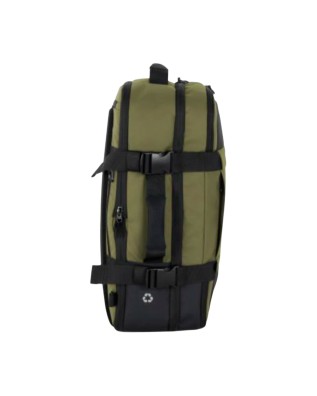
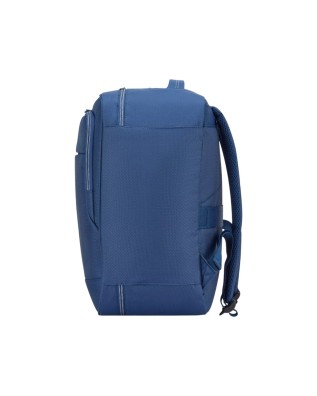
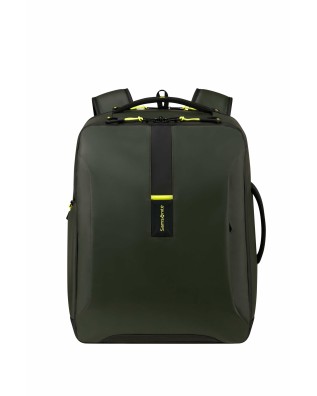
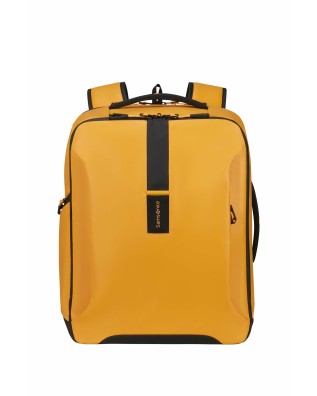
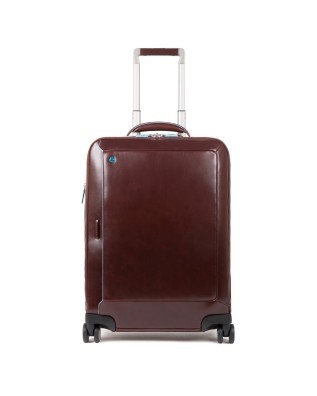
Beyond the latest regulatory changes, good organization remains the best way to tackle any trip. Choosing high-quality luggage means traveling more comfortably and reducing the risk of exceeding airline weight limits: a lightweight carry-on trolley lets you make the most of your weight allowance, while a compact backpack is the ideal solution when your fare includes only a personal item.
Accessories also make a difference: organizers, toiletry bags, and garment bags help you optimize interior space, keep everything tidy, and carry what you need without sacrificing convenience. These small touches help you avoid extra fees and make your trip more enjoyable right from the start.
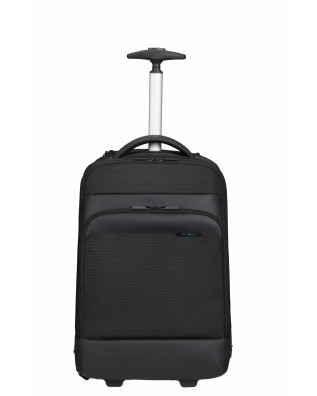
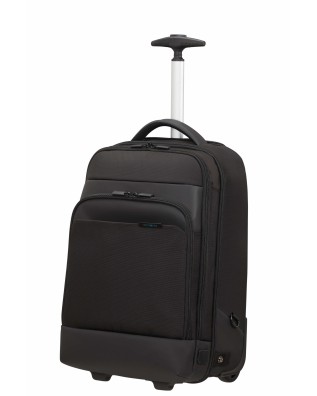
Samsonite - Underseat Travel Backpack, Size M, Fits a 15.6" Laptop, Made of Paradiver...
The Perfect Luggage for Every Kind of Trip
Every trip has different needs, and the ideal luggage depends on the length of your stay, your destination, and the airline you choose.
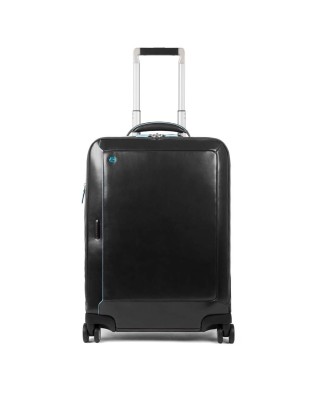
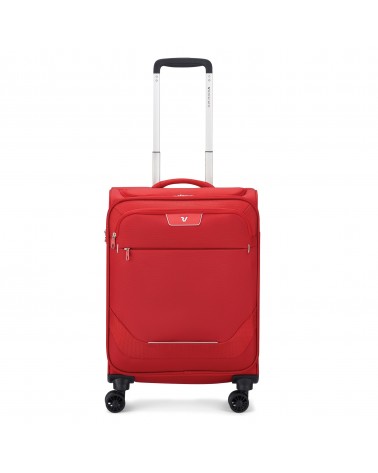
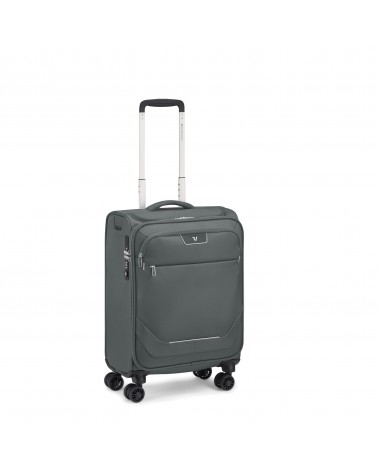
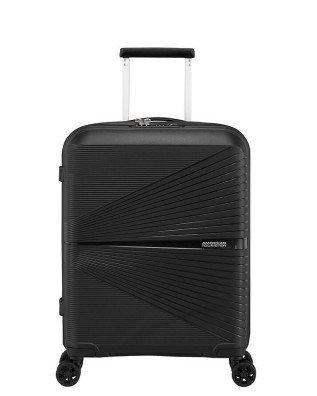
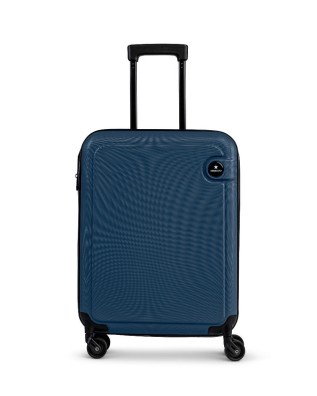
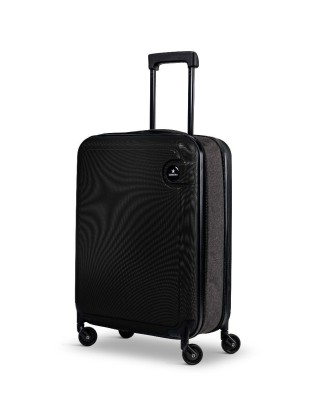
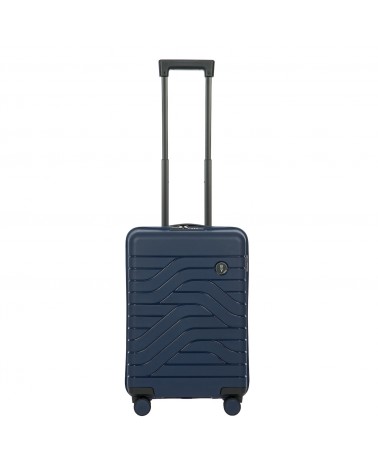
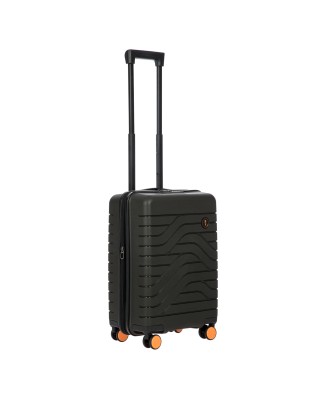
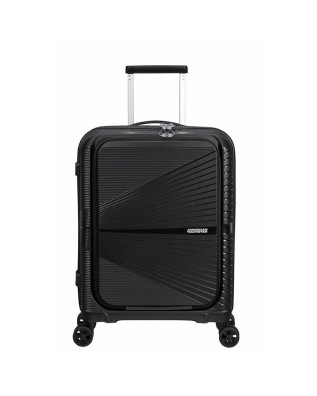
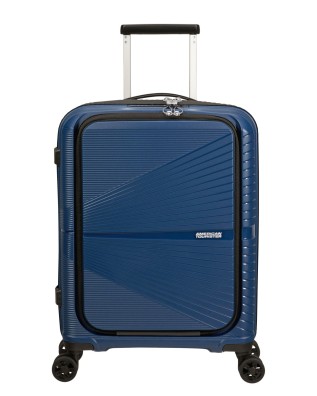
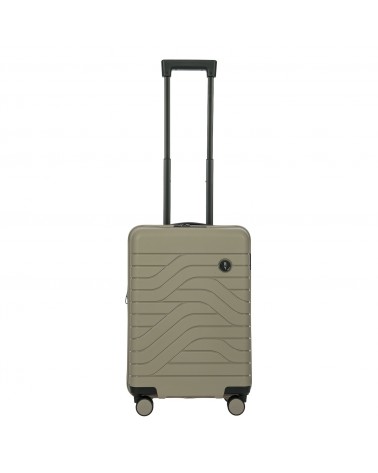
Carry-on suitcases are the ideal solution for those who want to maximize space and keep everything they need within easy reach. Hard-shell suitcases offer superior protection for delicate items, while travel backpacks stand out for their practicality and versatility, especially when flying with airlines that only allow carry-on luggage.
At Studioarch, you’ll find a selection of suitcases, carry-on luggage, backpacks, and accessories designed to accompany every type of trip, with models that combine design, functionality, and high-quality materials: carefully choosing your luggage lets you set off with greater peace of mind, no matter which airline you choose.
In Short
The new European regulations on passenger rights represent an important step toward more transparent air travel that is focused on travelers’ needs. Rather than revolutionizing the rules on carry-on baggage, the reform provides clarity: comprehensive information on fares and services included in the price, starting from the moment of booking.
The advice—at least until the new regulations are fully implemented—is to continue carefully reviewing the terms and conditions of the airline you’re flying with and to choose luggage that complies with the established limits. A well-designed suitcase, a lightweight trolley, or a compact backpack aren’t just travel accessories—they’re tools that help you travel with greater peace of mind, avoiding unexpected costs and enjoying the experience right from check-in.
Sources
- European Parliament – “European Parliament Achieves Upgrade to Air Passenger Rights” (July 2026)
- Council of the EU – “Council gives final clearance for stronger air passenger rights” (July 13, 2026)
- Euronews – “European Parliament approves free carry-on luggage and compensation for delays” (July 7, 2026)
- Wikipedia – Montreal Convention (1999)
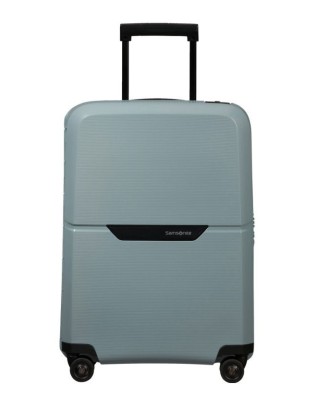
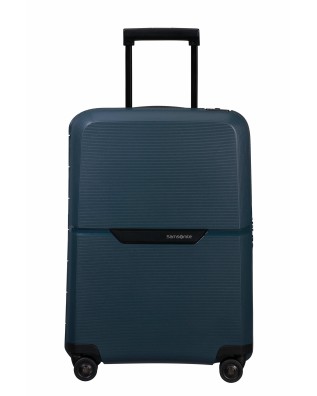
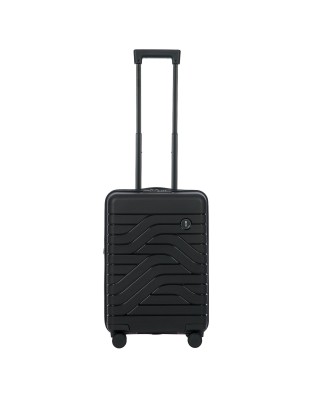
Samsonite - Magnum Eco 4-Wheel 55 cm Polypropylene Hard-Side Cabin Trolley
Latest Blog Posts:
Lightweight Bags 2026: The Return of Chic Nylon—Combining Style, Practicality, and Contemporary Design
Lightweight bags dominate the Spring-Summer 2026 season: technical nylon and rubberized fabrics from Gherardini, Bric's X-Travel, and Ynot Cloud reinterpret luxury in a practical, soft, and contemporary way.
Read more