Valigie: guida all’acquisto

This guide is designed to help you choose the ideal luggage for your next trip. Choosing the right suitcase for your needs may seem like a simple task, but it’s often a real nightmare—especially when you’re faced with choosing online from hundreds of similar-looking suitcases with wildly varying prices.

With this Guide to the Perfect Suitcase, we’ll walk you through the process step by step: from choosing the size, to selecting the material, and finally picking the right accessories. It couldn’t be easier!

The Size Factor

The main thing to keep in mind is the size of the suitcase: 55x40x20, 55x40x25, 55x32x25—a veritable Tower of Babel of numbers you’ll have to deal with. This is an important factor to consider, especially when choosing carry-on luggage, as standards vary by airline. We’ve summarized the carry-on luggage dimensions accepted by major airlines in a document (download here).

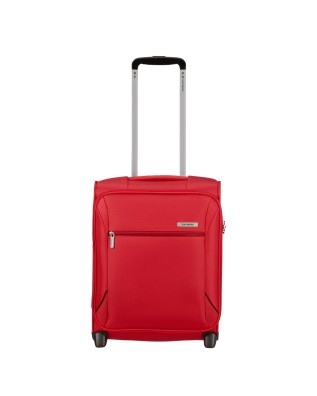
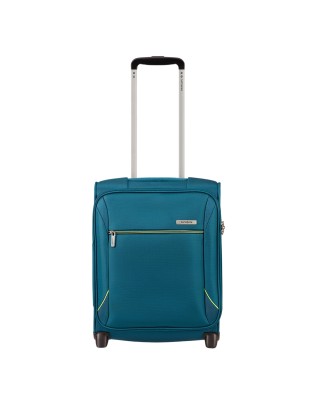
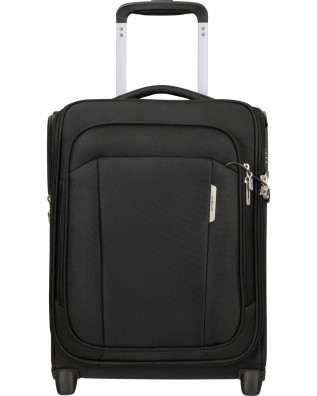
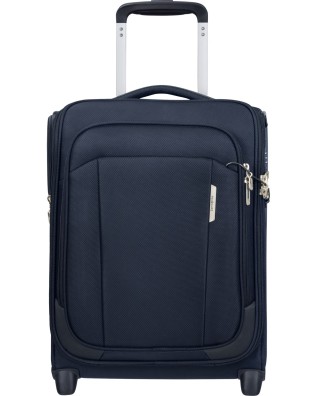
As a general guideline, there are two standard sizes for carry-on luggage required by most airlines: 55x40x20 cm, generally used by low-cost carriers, particularly Ryanair (see Ryanair carry-on luggage), which is famous for its strict carry-on baggage policies; 55x40x25 cm, used by traditional airlines for medium- and long-haul flights.

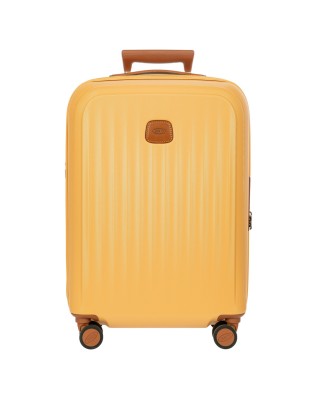
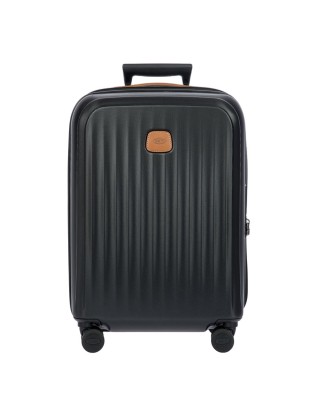
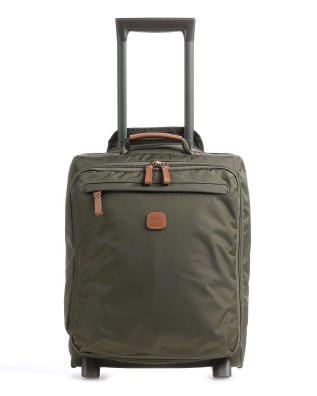
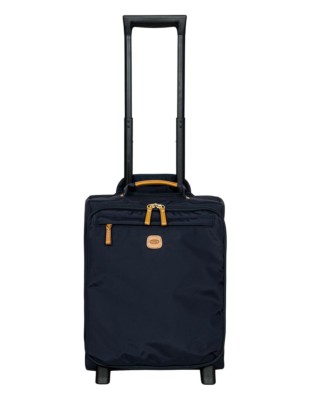
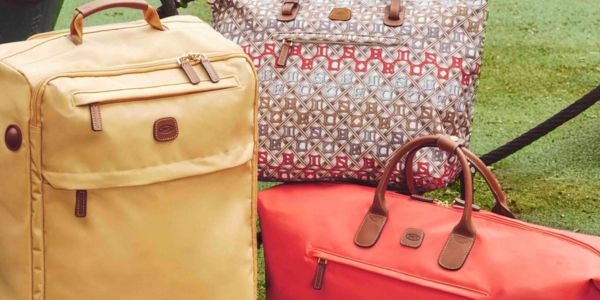
The difference lies in the depth of the suitcase, and it is precisely around these two different measurements that suitcase manufacturers standardize the design of their travel products: Delsey is a prime example; with its cabin trolley suitcases, such as the Delsey Chatelet Air Slim 55cm, it ensures comfortable, stress-free travel during boarding. The same goes for Bric’s luggage, which, with its compact and functional Riccione cabin trolley measuring 40 x 21 x 52 cm, remains well below the maximum recommended dimensions for carry-on luggage.

It’s also worth noting that airlines are lenient regarding minor differences of 3–4 cm from the specified dimensions; therefore, there’s no need to worry about slight oversizes—no one will leave you behind.

Go to Studioarch’s selection of carry-on luggage and low-cost carry-on luggage.

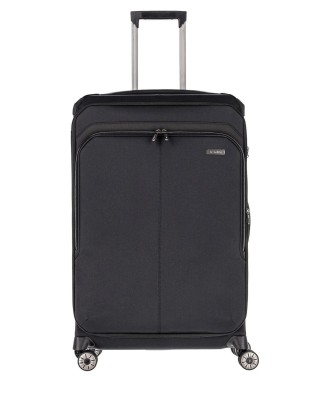
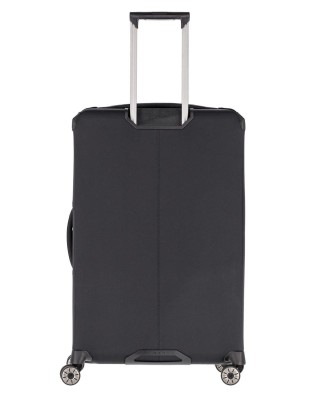
When it comes to medium-sized suitcases, however, the dimensions are typically around 65 cm in height, 45 cm in width, and 25 cm in depth; but these can also vary. Obviously, they must be checked and have no size restrictions. Medium-sized suitcases and trolleys are an essential solution for both couples traveling for short periods and for longer trips, even when traveling alone: they’re easier to carry than large suitcases. Among the most popular in this category are the “Roncato” suitcases and models by Piquadro.

Discover our selection of medium-sized suitcases.

Finally, for those who simply can’t resist exploring the wonders of the world, the ideal choice is undoubtedly a large suitcase. Here, too, there is a wide range of permitted sizes, but it’s important to be careful! While there is a maximum size for carry-on luggage, there is also a maximum size for checked luggage: many airlines set a maximum size beyond which luggage is considered “oversized” and therefore subject to extra fees for transport, payable at check-in. These “maximum dimensions” are usually based on the suitcase’s perimeter and can be easily found on the airlines’ websites.

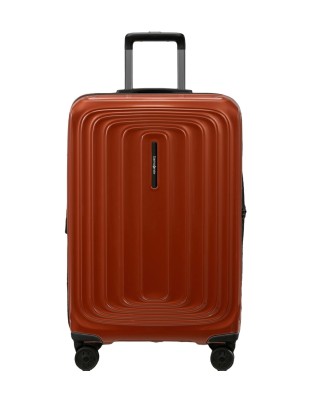
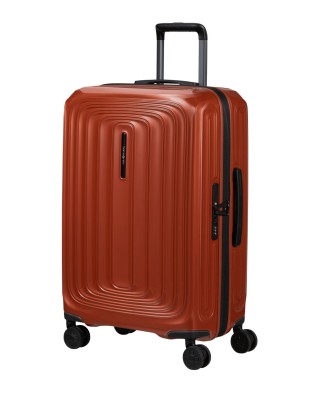
If you need a large suitcase, the Samsonite and the large expandable trolley bags from Tumi are the ideal choice.


Hard-Sided or Soft-Sided Trolley: Choosing the Right Material.

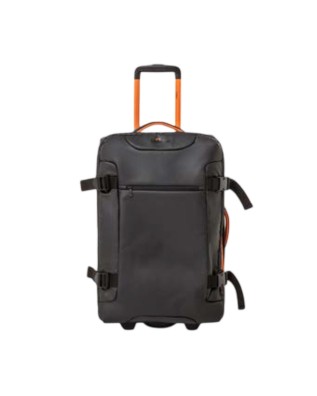
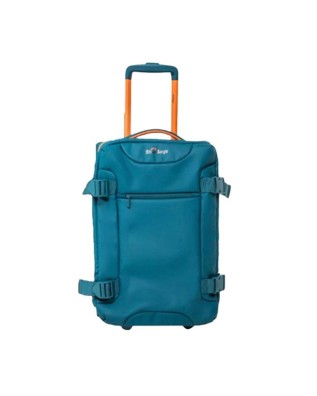
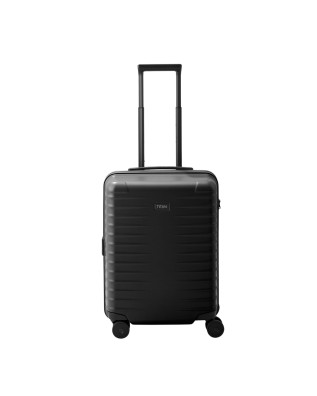
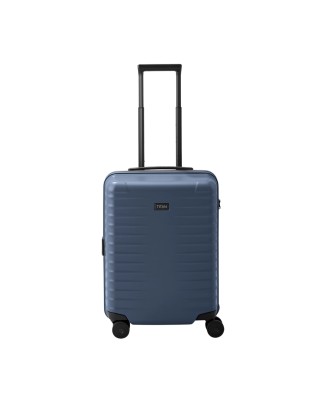
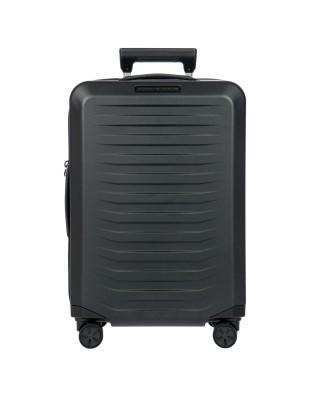
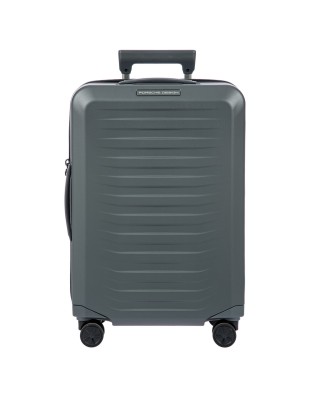
Once you’ve chosen the ideal size for your travel needs, all that’s left is to focus on the material. The choice is between a hard-shell, semi-hard-shell, or soft-sided suitcase. Let’s dispel a myth right away: a hard-shell suitcase isn’t any more durable than a soft-sided one.
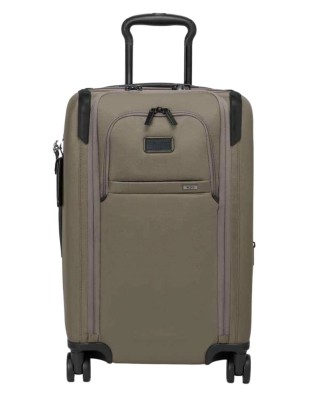
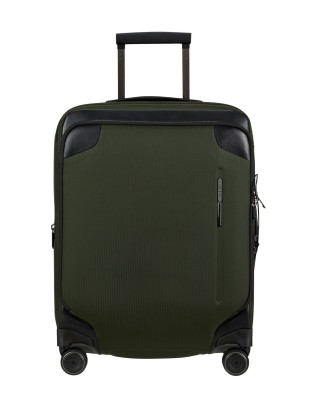
Don’t be misled by claims of indestructible suitcases that can withstand even the clumsiest airport employees: unfortunately, all suitcases can break, whether they’re hard-shell or soft-sided. The difference lies entirely in the degree of protection the luggage offers its contents—which is, of course, greater in hard-shell suitcases—but also in the ability to fully utilize the interior space of the luggage.

This latter aspect is clearly better with soft-sided suitcases, due to their ability to adapt to the contents. Semi-rigid suitcases represent a middle ground: the fabric is combined with a frame—usually made of plastic—which gives the suitcase greater structure and protects it from impacts.

A special mention goes to the weight of the suitcase, which has become a mantra among suitcase manufacturers. Typically, airline policies push us to keep luggage weight down, but it’s important to remember that for every kilogram saved, the suitcase’s overall durability decreases. The choice, therefore, should be made based on how the suitcase will be used, taking individual needs into account, of course.

Choosing Accessories.

Let’s wrap up this Buying Guide with a few tips on the essential travel accessories that will make your suitcase your best adventure companion.

As for the number of wheels, it’s always better to have four: especially with large suitcases, this can save you a lot of effort when getting around. But pay attention to quality: four-wheeled suitcases are actually more delicate and are more susceptible to damage from bumps than two-wheeled suitcases, where the wheels are recessed into the frame.

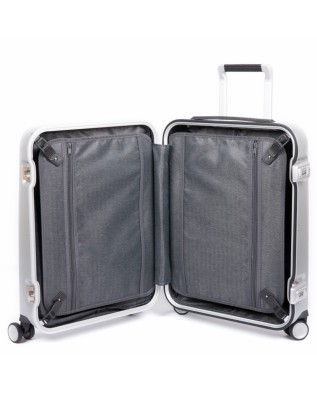
For the interior layout, it’s best to choose suitcases with adjustable straps or zippered dividers, so you can minimize the bulk of your clothes, save space, and keep all your travel essentials organized. A zippered interior pocket is also a good idea; it can be indispensable if you need to keep certain accessories separate—such as shoes, lotions, or perfumes—that might spill.

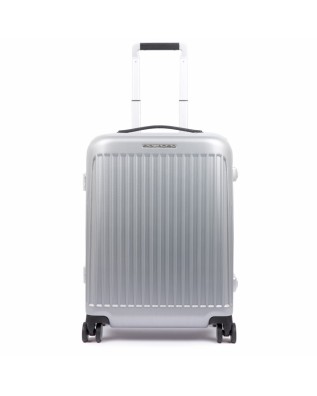
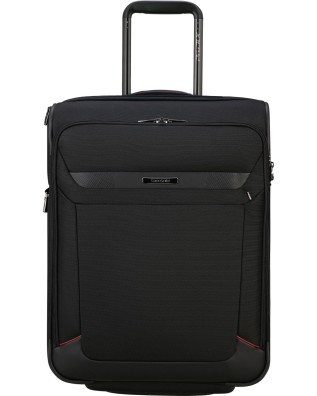
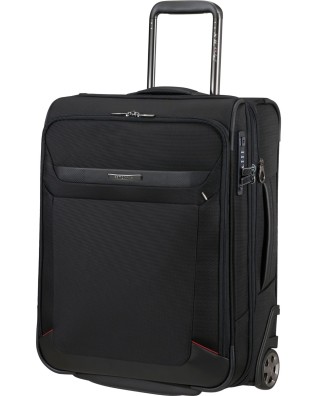
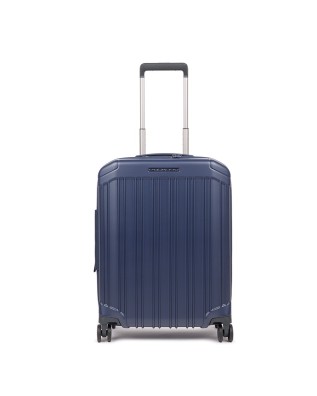
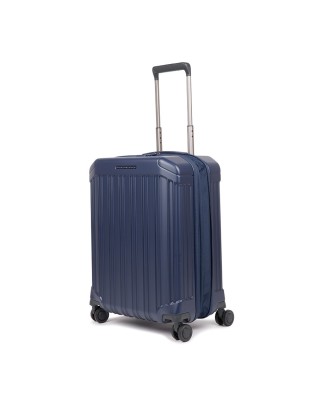
Among the most convenient designs available, you can choose suitcases with removable compartments: this is the case with the Piquadro Cabin 2-Wheel Suitcase with a removable garment bag—a must-have for any trip. As for the exterior features, always make sure the suitcase has a combination lock, which is necessary to lock the TSA-approved zippers and allow for airport security inspections.

Without this technology, security screeners will be forced to break the lock to inspect the inside of the suitcase. The presence of a TSA lock is the first indicator of a high-quality luggage product. If you’re buying a carry-on suitcase, opt for one with plenty of exterior pockets, which are extremely useful for storing all your travel documents, so you don’t have to fill your personal pockets. Finally, for hard-shell suitcases, corner protectors are an excellent external accessory; they shield the shell from impacts at the corners, where the material is most prone to damage.

Now that we’ve reached the end of this guide, you should have a clearer idea of how to choose your next suitcase. We invite you to visit our Travel section to choose your favorite model and brand.

Latest Blog Posts:

Accessori da uomo PE 2026: marsupi, zaini e tracolle

Marsupio, zaino monospalla, zaino porta PC o tracolla? Guida agli accessori da uomo Primavera-Estate 2026: come scegliere quello giusto per stile ed esigenze

Read more
The Studioarch.com blog

Borsa spiaggia o city bag? Guida alla borsa per le vacanze

Mare o città d'arte? Scopri come scegliere tra borsa spiaggia e city bag e organizzare la borsa vacanze con pochette e organizer: consigli pratici e modelli

Read more
The Studioarch.com blog

Nuove regole UE sul bagaglio a mano: cosa cambia davvero

Riforma UE approvata a luglio 2026: bagaglio personale garantito, tariffe trasparenti, tutele per famiglie. Cosa cambia davvero e da quando: la guida completa

Read more
The Studioarch.com blog

Borse leggere 2026: il ritorno del nylon chic tra stile, praticità e design contemporaneo

Le borse leggere dominano la Primavera-Estate 2026: nylon tecnico e tessuti gommati firmati Gherardini, Bric's X-Travel e Ynot Cloud reinterpretano il lusso in chiave pratica, morbida e contemporanea.

Read more
The Studioarch.com blog
Product added to wishlist