What is vegetable tanning?

There is a great deal of confusion surrounding the concept of “vegetable-tanned leather”: some people think it’s leather made from plant-based materials (and therefore a kind of “vegan” alternative to traditional animal leather), others confuse it with faux leather, and there are even those who automatically assume that tanning processes are polluting.

So, let’s clear things up a bit and take a look together at what vegetable-tanned leather is and how it’s made.

What does “vegetable-tanned leather” mean?

When we talk about “vegetable-tanned leather,” we are referring to its tanning method (vegetable tanning, specifically) and not to its origin. This means that vegetable-tanned leather always falls under the category of animal-derived leather: generally, it consists of bovine, sheep, or goat hides, which undergo tanninga process that halts the hide’s natural decomposition while preserving the fibers that make up the dermis. In other words, tanning is a necessary step to prevent the hide from decomposing according to the natural cycle of organic materials.

It should be noted that no animals are slaughtered solely for the purpose of obtaining hides (unlike what happens with fur). Tannery facilities, in fact, recover and reuse only waste hides from the food industry, which would otherwise require special disposal involving high management costs.

Vegetable Tanning: A History Rich in Tradition

Among the many types of tanning available on the market, vegetable tanning stands out as the most traditional, natural, and eco-friendly of all. It is called “vegetable tanning” because the raw materials used in the tanning process (i.e., the so-called tanning agents) are tannins, natural substances produced by trees that serve to defend the plant against attacks by external bacteria. These tannins are extracted from various parts of plants, including wood, bark, pods, fruits, and leaves. The most commonly used tannins are derived from chestnut and quebracho wood, Tara pods, and the bark of mimosa and acacia trees.

Vegetable tanning of hides has a very ancient history, dating back as far as prehistoric times: in fact, for millennia, leather processing was a necessity, as hides were a byproduct of meat processing that was difficult to dispose of.

And so, at some point, humans realized that to halt the decomposition of the hide and make it easy to work with, it was necessary to soak it in a soluble solution (based on tannins) that would transform the animal’s hide into leather.

In ancient times, tanning involved finely grinding tree bark, which was then left to act on the hides in a pit after adding water—this dissolved the tannins, allowing them to be absorbed by the hides.

Today, the traditional method of vegetable-tanning consists of what is known as “slow vat tanning,” a long and labor-intensive process that involves immersing the hides in large vats and takes about three months to complete. Thanks to new technologies and techniques refined over the years, a second processing method has become widespread: this is rapid barrel tanning, which, with the aid of rotating drums, has shorter processing times than traditional vat tanning and produces leather that is softer and therefore better suited for use in leather apparel.


Why choose vegetable-tanned leather?

Unfortunately, on an industrial scale, the traditional vegetable-tanning process has been almost entirely replaced by chrome-tanning, a much faster method (taking 7–11 hours) that produces leather that is sturdy, soft, and stable once dyed.

So why choose vegetable-tanned leather?

Vegetable tanning is by far the most eco-friendly tanning method, because all products made using this method can be recycled: vegetable-tanned leather, in fact, is easily biodegradable thanks to its chemical and organic properties.

Furthermore, it is a completely natural process capable of producing leather of the highest quality—odorless, antibacterial, breathable, and durable.

Vegetable-tanned leather is also completely hypoallergenic and therefore perfect for the most sensitive skin, because the tanning process using tannins is carried out without the use of toxic substances or heavy metals.

In other words, vegetable-tanned leather is the only truly sustainable alternative for the environment and safe for human health. But there’s more: the use of natural tannins makes vegetable-tanned items unique and inimitable—they age gracefully without deteriorating, and the nuances of the tannins give the leather warm tones that are every bit as beautiful as those of chemically tanned leather.

Vegetable-tanned bags and accessories

Now that you understand what vegetable-tanned leather is and what its benefits are, you’ll probably also want to know which vegetable-tanned leather accessories and bags to buy.

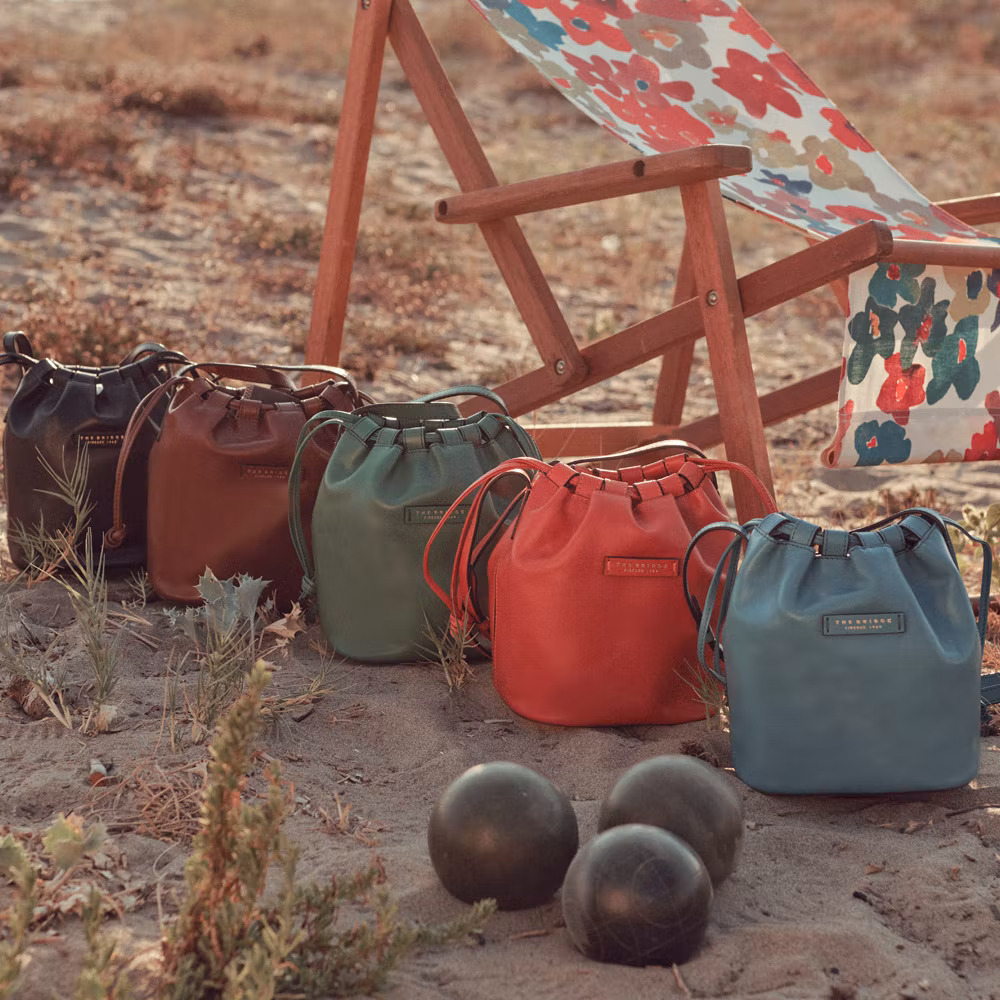
At Studioarch.com, you’ll find a wide selection of items crafted using this unique tanning method, such as the products from theThe BridgeStory” line: designs distinguished by the unique and inimitable charm of artisanal leatherwork in the Tuscan tradition.

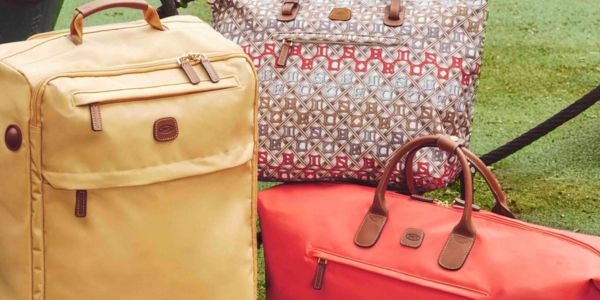
And if you love to travel but don’t want to compromise on the unmistakable style of “Made in Italy” craftsmanship, let yourself be captivated by the collection of luggage, accessories, and travel bags from the Bric’s Life line, crafted from comfortable natural Tuscan leather with a suede-like finish. Whether it’s a carry-on trolley, a travel duffel, a business backpack, or a shoulder bag, using the products in this collection will give the material an even more beautiful and unique look over time!

The most discerning workaholics, on the other hand, will find just what they’re looking for in the Blue Square line Piquadro—a unisex collection of bags and business accessories made from natural leather tanned using traditional methods and distinguished by hand-finished raw-edge details in a light blue hue. All items in the iconic business line by Piquadro are synonymous with maximum functionality and guarantee a lustrous, durable leather that, over time, will take on that slightly worn-in charm that only high-quality products can maintain.

We hope we’ve helped clear up any doubts you may have had about which type of leather to choose, and we wish you happy shopping in our catalog!

Latest Blog Posts:

Men's Accessories SS 2026: Belly Bags, Backpacks, and Shoulder Bags

Fanny pack, single-strap backpack, laptop backpack, or crossbody bag? A Guide to Men’s Accessories for Spring–Summer 2026: How to Choose the Right One for Your Style and Needs

Read more
The Studioarch.com blog

Beach bag or city bag? A Guide to Vacation Bags

Beach or city of art? Find out how to choose between a beach bag and a city bag and pack your vacation bag with a clutch and organizer: practical tips and styles

Read more
The Studioarch.com blog

New EU Rules on Carry-On Luggage: What's Really Changing

EU Reform Approved in July 2026: Guaranteed Personal Baggage Allowance, Transparent Rates, Protections for Families. What’s Really Changing and When: The Complete Guide

Read more
The Studioarch.com blog

Lightweight Bags 2026: The Return of Chic Nylon—Combining Style, Practicality, and Contemporary Design

Lightweight bags dominate the Spring-Summer 2026 season: technical nylon and rubberized fabrics from Gherardini, Bric's X-Travel, and Ynot Cloud reinterpret luxury in a practical, soft, and contemporary way.

Read more
The Studioarch.com blog
Product added to wishlist